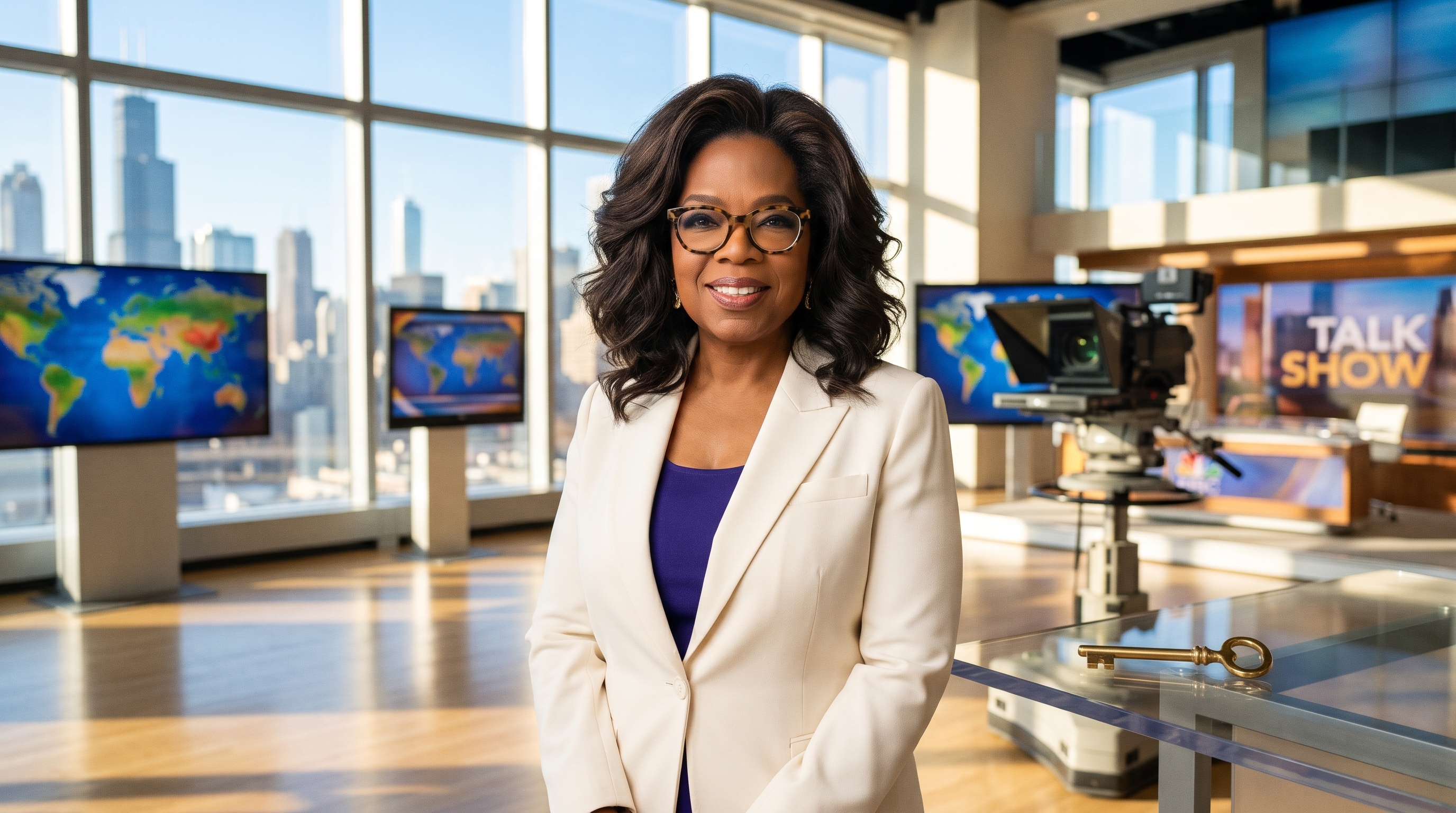
Oprah & The Syndication Monopoly
The Freedom to OWN!
The Highest Paid Employee Trap
Back in the mid-1980s, being a famous TV host was just the flashiest W-2 job on the planet. You smiled for the cameras, begged the network for a raise every few years, and built zero real ownership for yourself.
Oprah Winfrey almost got stuck in that exact trap. In January 1984, Chicago's WLS-TV hired her to host A.M. Chicago on a fixed four-year, $1 million contract paying $200,000 to $230,000 a year. She quickly crushed Phil Donahue in the local ratings and expanded the show to a full hour.
Even so, if the show went into national syndication, her contract capped her pay at $250,000 - just a $30,000 bump for conquering the country. A $30,000 raise for taking over national television is like handing the guy who built the Golden Gate Bridge a $50 gift card to Applebee's. Not cool!
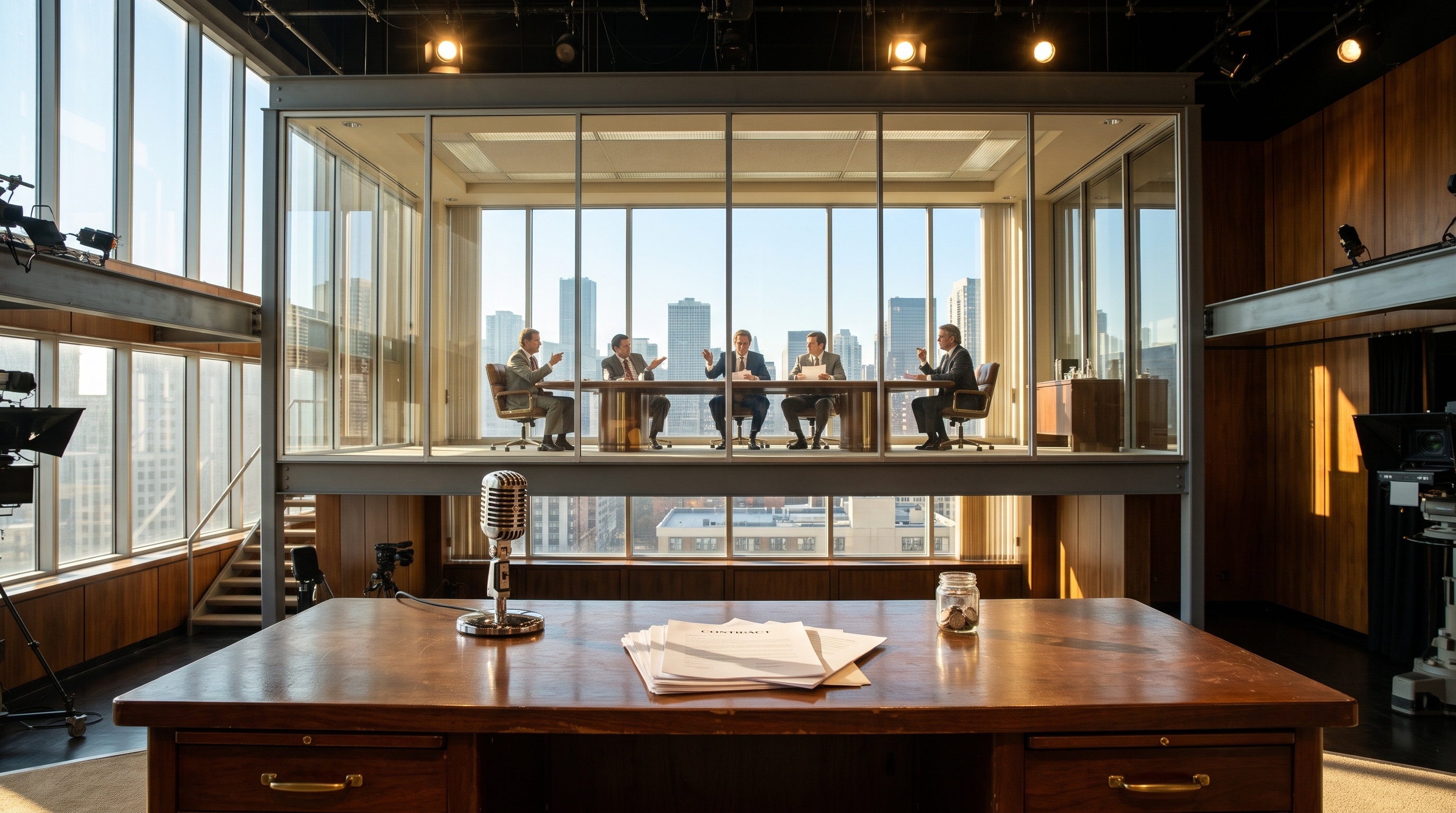
Then Bill Cosby handed her a brutal wake-up call. He told her ABC wasn't trying to make her "wealthy" - they were just offering to make her "rich", and she needed a tougher representative.
The real red flag popped up during contract talks when three ABC executives couldn't stop praising her agent. If the other side loves your guy, he's working for them. Oprah fired him and put all her legal, management, and business duties under one shark - Chicago entertainment attorney Jeffrey D. Jacobs - killing multi-agent commission splits on the spot.
The Harpo Maneuver and The ABC Takeover
When Jeffrey Jacobs audited WLS-TV's four-year, $1 million renewal contract, he didn't sugarcoat it. He hit Oprah with the line that built a billionaire: "This is a slave contract. Slaves work for a fixed dollar... Don't be talent for hire. Own yourself."
In August 1986, they incorporated Harpo Productions, Inc. with zero outside investors or studio backers. The ownership split stayed completely locked - 90% went to Oprah as Chairman and CEO, and 10% went to Jacobs as President and COO.
There was just one catch. Making around $250,000 a year, Oprah didn't have tens of millions sitting around to fund a national show. Instead of selling permanent equity to some suit, business profiles report they raised startup cash by pledging the show's first three years of projected profits - estimated at $30 million a year - as collateral.
Jacobs secured national syndication rights early in 1986, and The Oprah Winfrey Show launched that September out of a rented Chicago studio. It hit roughly 120 U.S. stations, pulled 10 million daily viewers, and quickly doubled Phil Donahue's national audience. Business accounts estimate the show grossed $125 million in Year 1 with Harpo keeping $30 million in profit, while other estimates put the first two seasons at $115 million combined.
Then came the knockout blow in 1988. Harpo bought 100% of the legal ownership, copyright, and production duties from Capital Cities/ABC for a reported $10 million, making Oprah the first woman in TV history to own and produce her own talk show. That same year, Harpo spent $20 million to buy and renovate a 100,000-square-foot, 3.5-acre Chicago facility - Harpo Studios, which opened in 1990.
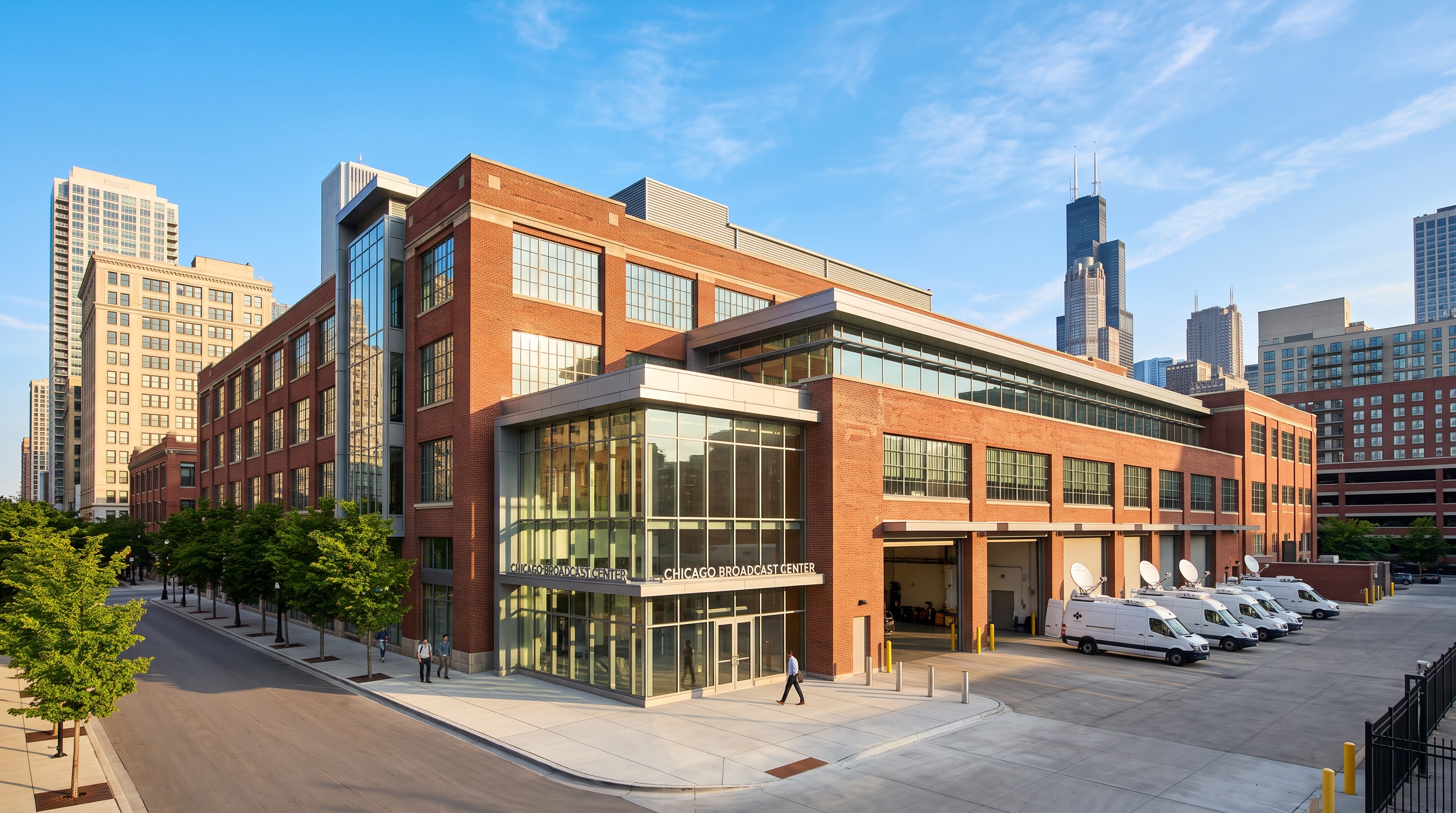
Why on earth did a massive network hand over the keys? Four brutal leverage points forced ABC to fold:
Irreplaceable Monopoly: Fresh off an Oscar nomination for The Color Purple, three Daytime Emmys in 1987, and 44 million viewers for a single 1988 episode, she couldn't be recast. If she walked, the show was worth zero.
Executive Alignment: Dennis Swanson - the WLS-TV boss who hired her and rose to President of ABC's Television Stations Division - helped structure the deal so ABC kept the show on its airwaves while Harpo took the IP (intellectual property).
Post-Merger Cost Cuts: Capital Cities Chairman Thomas Murphy was aggressively cutting overhead. Taking $10 million upfront while dumping 100% of daily production bills, staffing, studio costs, and ratings risk onto Harpo looked like a lean win. You can practically picture the suits high-fiving in the boardroom over saving on electric bills while they handed away a multi-billion-dollar printing press.
Regulatory Guardrails: Pre-deregulation financial interest rules blocked networks from capturing full domestic syndication profits internally anyway.
The King World Chokehold
Normally in TV, the distributor funded the show, owned the copyright, and paid the host a fee. After 1988, Oprah flipped the whole board. Harpo owned 100% of the IP and editorial control, turning King World Productions into a hired distribution and ad-sales contractor.
Syndication prints cash two ways - local stations pay direct licensing fees, while the distributor sells two to three minutes of national "barter" ad time per episode. In 1994, station renewals for Oprah, Wheel of Fortune, and Jeopardy! projected up to $1.9 billion, with King World taking 43%.
That's where the chokehold tightened. Her show drove roughly 40% of King World's revenue in the 1990s - and 42% in 1998, about $287.2 million out of $683.9 million. Whenever her contract neared expiration, King World stared down a stock crash. When one person drives nearly half your company's revenue, you don't negotiate with her - you just slide a blank check across the table and pray she likes your pen.
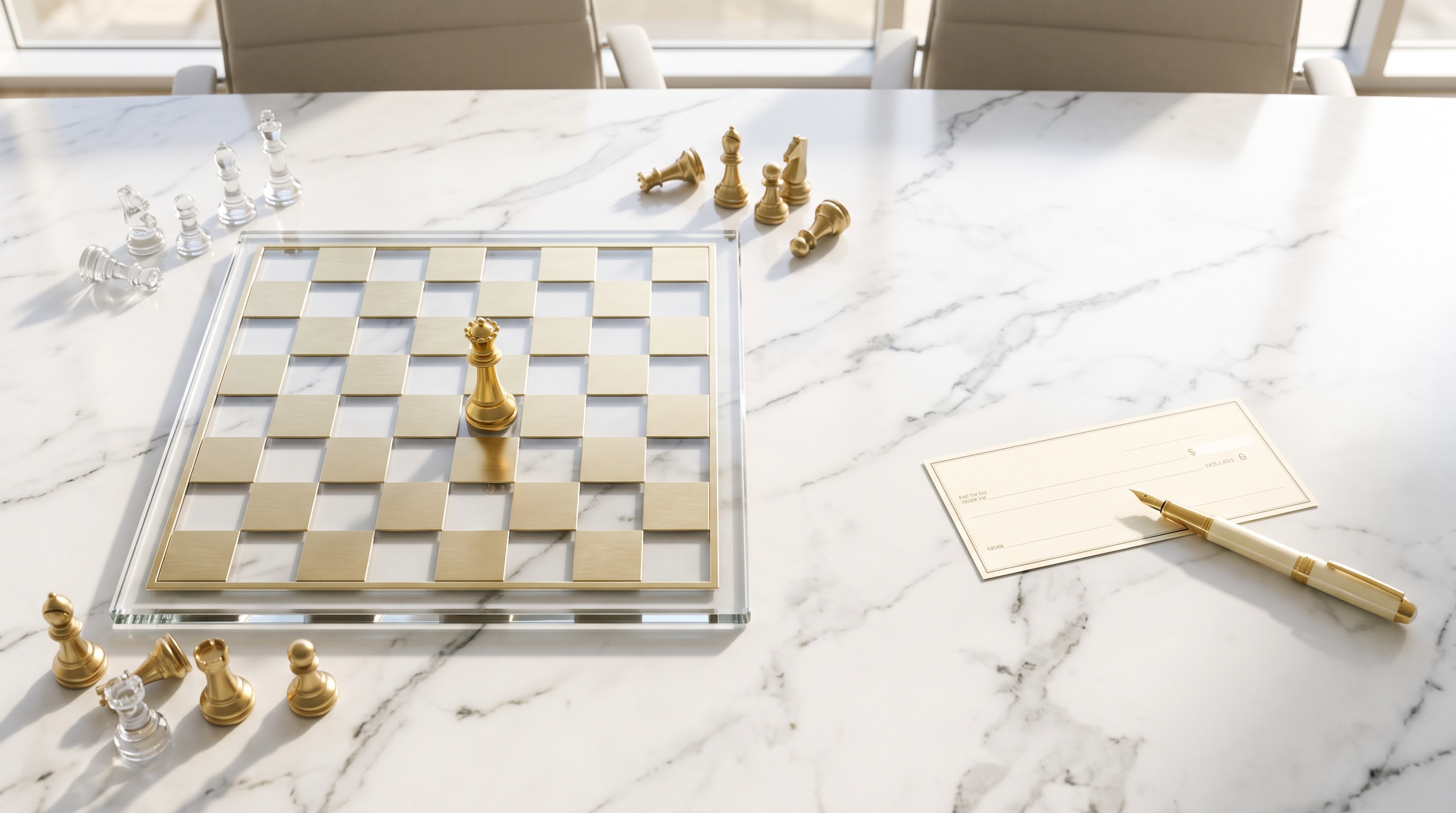
Oprah and Jacobs squeezed that leverage for upfront cash against future show earnings, pulling a $130 million advance in September 1997 and another $150 million in September 1998 for a two-season extension.
They didn't stop at cash. SEC filings confirm Oprah and Jacobs started getting King World stock options in March 1994 (holding over 1 million shares that year), plus grants in 1995, 1997 (up to 5% of King World's stock), and 1998 - including three senior Harpo executives.
When CBS announced a $2.5 billion all-stock buyout on April 1, 1999 (0.81 CBS shares per King World share, closing in 2000), Oprah pocketed an estimated $100 million windfall. She literally got paid off Wheel of Fortune and Jeopardy! Too. Think about that for a second - every time some contestant bought a vowel, Oprah's net worth ticked up!
Decoupling From Time: The Freedom to OWN
Look at what happens when you stack retained earnings inside a company you actually own instead of begging for a bigger W-2 paycheck. At its peak, The Oprah Winfrey Show reached 40 to 48 million weekly viewers across 141 to 150 countries, pulling in an estimated $200 million to $300 million every year. Harpo's corporate revenue hit an estimated $150 million in 1997 and later climbed to reported peaks of $309 million to $314.5 million.
That compounding curve is borderline ridiculous. Oprah crossed $1 million at age 32 in 1986 and hit roughly $100 million by 1990. In 2003, she became the first Black woman billionaire - and stood as the world's only Black billionaire from 2004 to 2006. She pulled in $260 million in 2006 alone, which was five times more than runner-up Simon Cowell. By October 2026, her estimated net worth hit $3.4 billion, with over $2.8 billion tracing straight back to reinvested profits across 25 seasons and 4,561 episodes.
Even her right-hand man got filthy rich without ever stepping in front of a camera. Before Jeffrey Jacobs stepped aside in 2002, his 10% stake had already paid out hundreds of millions in cumulative distributions. At that point, Harpo was estimated at $575 million - implying a $57.5 million standalone stake on top of his prior payouts and personal King World options. Turns out owning 10% of a rocket ship beats owning 100% of a lemonade stand every single day of the week.

Once she controlled the copyright, the 3.5-acre studio, and that distributor windfall, Oprah made the ultimate boss move - she disconnected her income from her own daily hours. Using Harpo Studios as a launchpad, she spun out Dr. Phil in 2002, Rachael Ray, The Dr. Oz Show, and O, The Oprah Magazine in 2000. That momentum led straight to the Oprah Winfrey Network - literally called OWN - in a 2011 joint venture with Discovery. She didn't even bother being subtle about it!
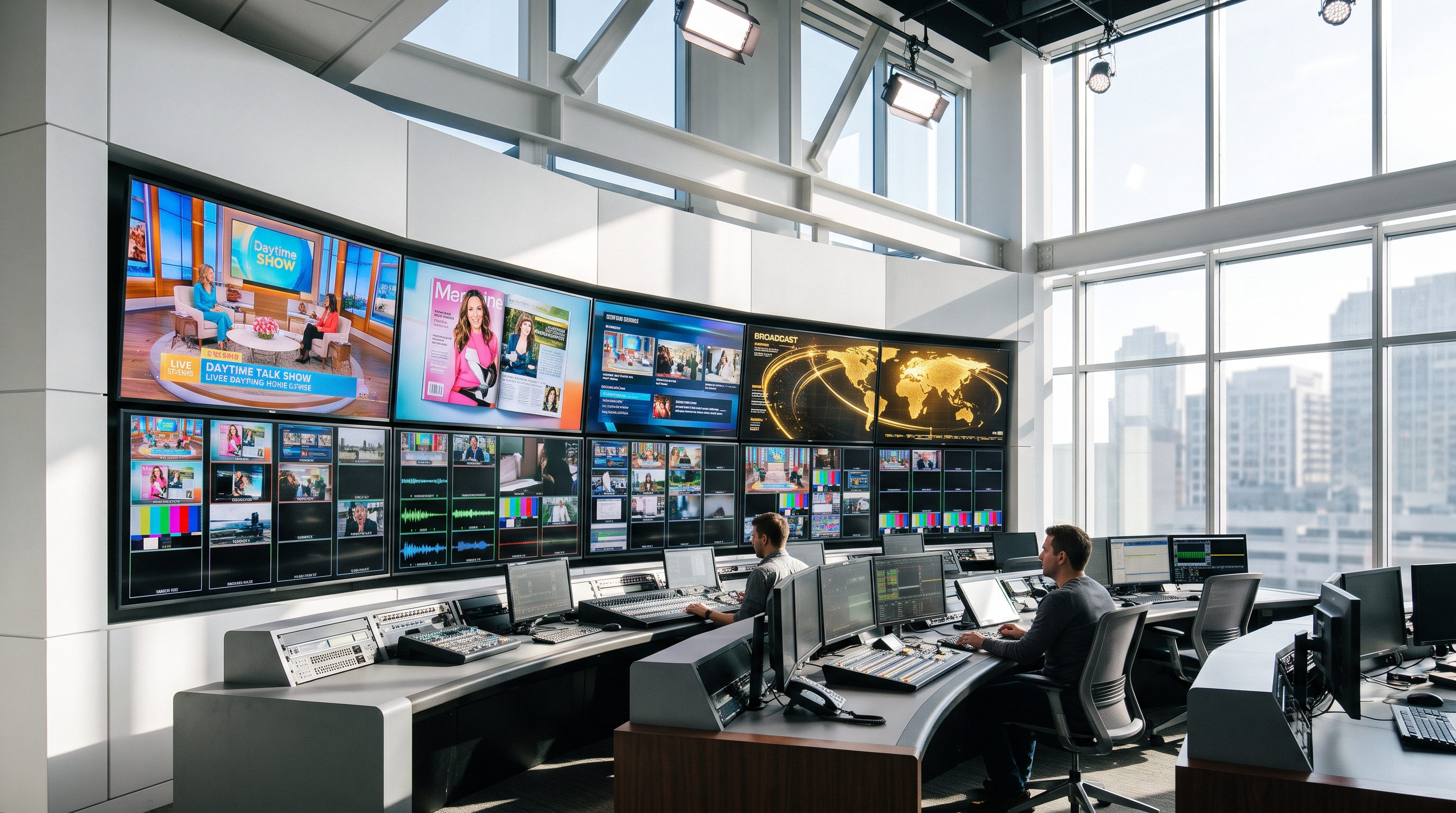
Now look at your own business. Most founders and brokers are still happily signing "slave contracts" - trading long-term enterprise value for a tiny commission bump, a cozy paycheck, or cash from investors who gut their ownership. If you don't own the foundational asset - the IP, the client list, the distribution rail, and the equity - someone else can shut off your income tomorrow. You might feel rich for a couple of quarters while the checks clear, but you're still just renting your seat at someone else's table. Real wealth only shows up when you own the table and set the rules.
Oprah didn't sell out Harpo's ownership to fund her launch, and you shouldn't either. Smart modern founders use equity-free funding - strategic debt and 0% credit facilities - to fund the build-out, keep 100% ownership, and collect the massive backend for themselves.
Execute the Mission
So here's your gut check. Are you spending your best years negotiating for a slightly bigger paycheck inside someone else's empire, or are you finally ready to buy the bakery?
Start by auditing your own "slave contracts". If an agent, banker, or partner is busy protecting the other side's interests, fire them today. Use equity-free capital to acquire and control your foundational asset, turn your distributors into paid contractors, and build an operation that scales way past your own daily hours.

You don't have to sell off pieces of your company to investors or beg a skeptical loan officer just to make that jump. That's the exact gap 7 Figures Funding and My Funding Machine were built to crush. Whether you're a founder securing 0% business credit to fund your own build-out, or a funding CEO helping other entrepreneurs escape the trap, the game is the same - keep your equity and control the engine!
Real wealth doesn't come from a bigger upfront check - it comes from Asset Sovereignty! Stop playing the role of talent for hire. Load your war chest, lock down the keys, and claim your freedom to OWN!